
A great smile can work wonders in your personal life, but have you ever considered the impact it may have on your confidence in business? The power of a warm and sincere smile should not be underestimated, especially when navigating the world of business, where first impressions and personal connections matter. Let’s explore how your smile can bolster your confidence and improve your professional relationships.
The Impact of Smiling on Business Interactions
Smile as a Tool for Success
Have you ever walked into a room full of serious faces and felt a little intimidated? A warm, genuine smile can break the ice and create a positive atmosphere in any business setting. When you smile, it shows that you’re confident, approachable, and enthusiastic – all key traits to drive business success. It’s no surprise that people gravitate towards those who wear a friendly demeanour. So why not utilise your smile to make a great impression and establish rapport with colleagues and clients?
Building Trust and Credibility with a Smile
Trust and credibility underpin any successful business relationship. How can a simple smile contribute to these important factors? When you smile openly and genuinely, it demonstrates a level of openness and honesty, which are crucial for establishing trust. In return, your clients or colleagues will have an easier time sharing their concerns or ideas with you. Don’t underestimate the power of a smile when it comes to fostering a successful partnership!
Smiling and Customer Relationships
Customer relationships are invaluable – after all, without customers, your business wouldn’t exist. One of the simplest ways to enhance customer interactions and satisfaction is with a smile. In fact, research has shown that customers are more likely to remember positive experiences with warm, friendly employees than those with a neutral or cold demeanour.
- Customer Service: When you’re dealing with customers, especially in a customer service role, a smile can go a long way. It shows empathy and understanding, which can diffuse tense situations and put your customers at ease.
- Sales: In sales meetings, your smile can help build rapport and break down barriers between you and the client. This can lead to more open, honest conversations and ultimately, better sales outcomes.
- Clients: Maintaining positive client relationships is essential to keeping clients coming back. Being approachable and friendly with a warm smile can leave a lasting impression and help you stand out among the competition.
Oral Medicine and Self-Confidence
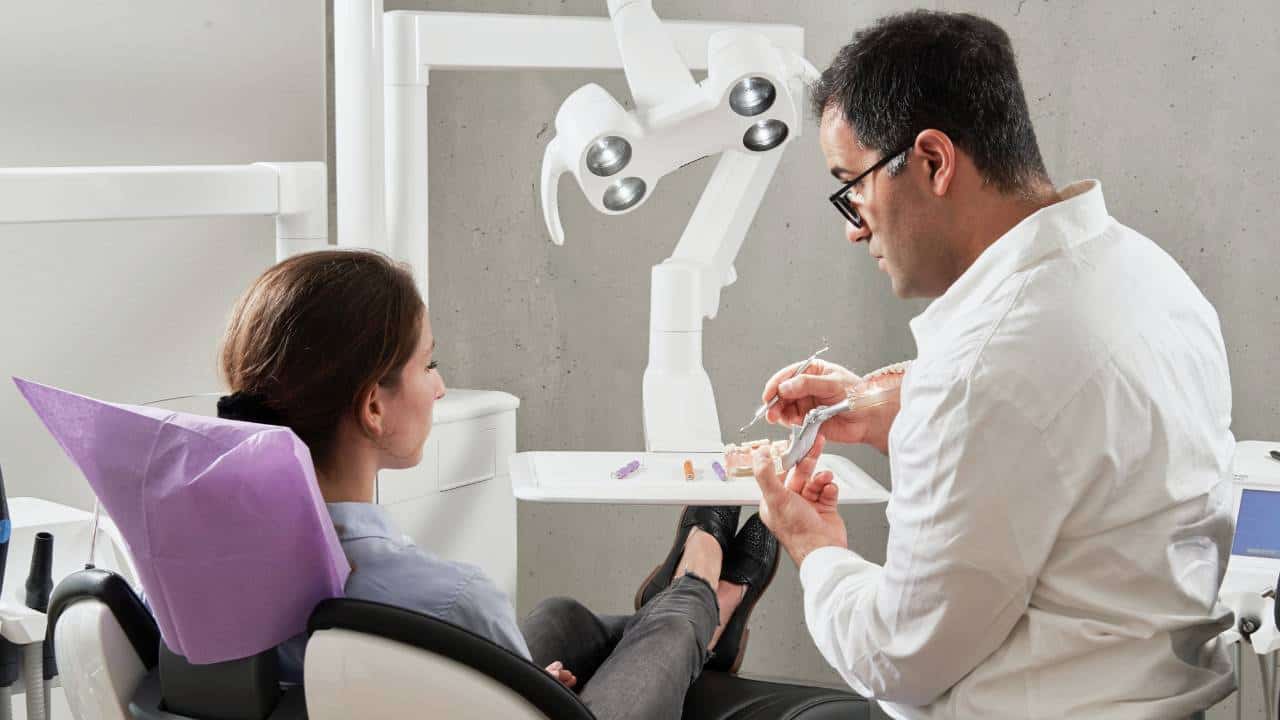
Dental Treatment And Its Psychosocial Aspects
When you’re experiencing oral health problems, it is common for your self-confidence to be affected. Dental issues can lead to feelings of uncertainty and reduced self-esteem. A Blackrock dentist can help address these issues and improve your oral health, ultimately boosting your confidence. Comprehensive dental treatment can not only enhance your smile, but also positively impact your overall wellbeing.
Some dental treatments that can help build your confidence include:
- Teeth cleaning and check-ups for maintaining oral health
- Orthodontics treatment for straightening teeth
- Dental crowns and veneers to improve the appearance of damaged or discoloured teeth
- Teeth whitening procedures for a brighter smile
Aesthetic Considerations In Dental Procedures
A well-crafted dental procedure aims to achieve both functional and aesthetic results. In today’s business world, projecting confidence is vital, and a great smile can significantly contribute to this. People with attractive smiles are often perceived as more confident and successful.
When visiting a dental professional, consider discussing the following aesthetic aspects:
- Tooth colour: Discolouration or staining can make your teeth appear less attractive. Teeth whitening treatments or the use of dental veneers can effectively improve the colour of your teeth.
- Tooth alignment and spacing: Crooked or misaligned teeth can impact your self-confidence. Orthodontic treatments such as braces or aligners can help correct alignment and spacing issues.
- Missing teeth: Replacing missing teeth with dental implants, bridges, or dentures can complete your smile and restore function.
- Gum health and appearance: Proper gum care is essential for maintaining healthy teeth and an attractive smile. Consult your dentist about gum contouring if you are concerned about the appearance of your gums.
Health Advantages of Smiling in the Workplace
Immune System and Smiling
A great smile not only brightens the room but also benefits your health. When you smile, your body releases endorphins, which help lower stress levels. Reduced stress means your immune system can function better, and you’re less likely to fall ill. Next time you’re at work, try to find humour in the situation or practise gratitude to give your immune system a boost! Your health affects your business success, so support yourself by smiling.
Longevity and Emotional Well-Being
Smiling at work does more than just make you feel good; it can contribute to a longer, happier life. The act of smiling helps to:
- Reduce stress
- Lower blood pressure
- Increase pain tolerance
- Alleviate symptoms of depression
By improving your emotional well-being, you’ll also be more productive and effective in your daily tasks. As an added bonus, a positive attitude has been linked to an increased lifespan – so keep smiling for a longer, healthier life.
Creating a Positive Environment
A well-timed smile can turn a dreary office into a bustling hub of positivity. When you smile at your colleagues, you inspire positive emotions and promote a positive environment. This is because smiling is contagious! Here are a few ways a smile can transform your workplace:
- Improve morale and cooperation among team members
- Enhance communication and break down social barriers
- Encourage creativity and innovation by lowering stress levels
Body Language, Tone, and Communication

The Role of Smiling in Effective Communication
A great smile can do wonders for your confidence in business. When you greet someone with a warm, welcoming smile, it sets a positive tone for the entire interaction. Not only does it help create an enjoyable atmosphere, but it also helps to ease any tension between you and your colleagues or clients. By displaying a genuine smile, you’ll be able to communicate more effectively and build stronger relationships with others.
Here are some benefits of a great smile:
- It conveys friendliness and approachability
- Makes you appear more trustworthy
- Enhances your approachability
- Releases tension in the room
Smiling, Tone, and the Approach to Challenges
In the business world, you’re bound to face numerous challenges. The way you approach these challenges can make a significant difference in the outcome. Your tone and demeanour will help set the stage for how you and your colleagues tackle these issues.
A few ways a great smile can influence your tone and approach to challenges are:
- Improves problem-solving abilities: Keeping a positive attitude and a cheerful demeanour while facing challenges enhances your ability to think creatively and find efficient solutions.
- Boosts morale: When you maintain a positive disposition, it can help lift the spirits of your team and enable them to remain motivated even during difficult times.
- Builds resilience: By facing challenges with a smile, you’re more likely to bounce back quickly from setbacks and keep moving forward.
- Better communication: A friendly smile encourages open and honest communication with your team, making difficult conversations more manageable.
Smiling and Personal Growth in Business
Confidence Boosting Through Smiling
Have you ever noticed how you feel more at ease when a colleague or boss smiles at you? Smiling helps boost your confidence in the workplace, creating a welcoming and comfortable environment. By smiling more often, you can make a remarkable impact on your personal growth in business. Consider the impact of dental appearance on self-esteem – a bright, healthy smile can give you a real confidence boost!
According to various studies, smiling has some fascinating psychological benefits. When you smile, your brain releases endorphins and serotonin, which are known as the feel-good neurotransmitters. These chemicals help you feel more confident and relaxed.
Here’s a quick list of the key points to remember about the positive impact of smiling:
- Smiling releases endorphins and serotonin, making you feel more confident.
- It creates a welcoming and supportive work environment.
- A confident smile encourages open and effective communication with your colleagues.
Cultivating a Positive Business Mindset with a Smile
A positive mindset in business is crucial for success. Smiling can help you cultivate this positivity and improve your overall performance. When you smile more, you consequently create a more positive and optimistic attitude towards your work. This shift in attitude leads to better decision-making and problem-solving abilities.
Embracing a smiling mindset comes with several advantages, including a positive attitude, enhanced decision-making abilities, and improved overall performance. On the contrary, neglecting to smile may lead to a negative or pessimistic outlook, difficulties in problem-solving, and a hindrance to career progress.
To showcase this shift in mindset, consider integrating the following practices:
- Start your workday with a smile: Begin by greeting your colleagues with a genuine smile to set a positive tone for the day.
- Smile during stressful situations: By smiling amidst challenging tasks, you can prevent negative thoughts from affecting your performance and credibility.
- Nurture your sense of humour: Engage in light-hearted conversations and share jokes to help create a comfortable and positive work environment.
Incorporating Smiles into Company Culture

Leadership and the Power of a CEO’s Smile
As a CEO, your smile can have a tremendous impact on your company culture. Providing your employees with a corporate dental health boost is only part of the equation – a warm and genuine smile of a CEO conveys confidence, approachability, and a positive attitude, all of which can influence the behaviour and attitude of your team. By incorporating a smile into your daily interactions with your staff, you’ll be promoting a more open and supportive working environment.
Research has shown that a CEO’s smile can even impact a company’s performance; a study found that confident, expressive CEOs led their businesses to greater financial success. So, not only will embracing the power of your smile make your team feel valued, but it can also contribute to the overall success of your company.
Fostering Team Spirit through Smiling
Fostering a positive team spirit is crucial for any successful organisation, and one of the simplest ways to achieve this is by incorporating smiles into everyday practices. Here are a few tips to encourage your team members to put on a smile at work:
- Celebrate achievements: Recognise and celebrate individual and team accomplishments, both big and small. This will create a sense of pride, boosting optimism and resulting in more smiling faces.
- Encourage open communication: Provide ample opportunities for your team to air any concerns, and express gratitude or appreciation. This will foster trust, making them feel more inclined to smile.
- Organise team-building activities: Regular social events outside of work can help to strengthen team morale. Casual gatherings and fun outings contribute to a stronger sense of camaraderie and bring out the power of smiling.
Economic Considerations of Smiling
Smile-Driven Sales and Productivity
Did you know that a great smile can significantly impact your business? Studies have shown that happy people tend to be more productive, leading to higher sales and efficiency in their work. You see, when you smile at your customers, it creates a positive and welcoming atmosphere that encourages them to spend more time at your establishment, purchase additional products, or even refer others to your business.
Moreover, a genuine smile can ease tense situations, helping to resolve conflicts and prevent escalations among both team members and clients. Your team’s ability to work together will improve as well, boosting collaboration and fostering creativity.
And if you think that’s impressive, consider these key figures:
- Happy employees are 12% more productive than their less happy counterparts.
- Companies with happy employees see a 20% increase in sales.
Cost-Benefit Analysis of Happiness in the Workforce
By promoting happiness within your workforce, you can reap numerous benefits that far outweigh the costs associated with creating a positive company culture. So, what are the costs and benefits of smiling, and how do they influence your business?
Here’s a brief cost-benefit analysis to help you visualise these points:
Costs:
- Employee wellness programmes/activities: Implementing initiatives that improve overall employee well-being can incur some cost; however, the benefits often far outweigh the expense.
Benefits:
- Increased productivity: Happy and smiling employees show increased efficiency and productivity, which can lead to higher revenue and growth for your company.
- Improved sales: Smiling employees tend to be more approachable and create a positive experience for customers, increasing client retention and sales.
- Enhanced corporate image: A happy workforce can boost your company’s reputation, attracting top talent and loyal customers.
- Decreased turnover and absenteeism: Happy employees are more likely to stay with the company, reducing recruitment costs. They also take fewer sick days, saving both time and money.
Conclusion
A warm and genuine smile holds the power to boost your confidence in the business realm. It fosters trust and calmness, paving the way for better networking, stronger connections, and increased success in your career.
Remember, your smile reflects not just a physical expression but also your personality. A friendly demeanour makes you approachable, creating opportunities for collaboration.
Smiling has therapeutic effects, helping you destress and maintain a level-headed approach to work. So, embrace the power of a confident and inviting smile to propel yourself towards success in the business world.