by Rebecca Graham
According to a recent YouGov survey, once lockdown is over, about one third of Brits plan to spend more money eating out than they did before while only 15 percent will eat out less.
In light of these numbers and the ever-changing proposals, regulations, and opinions of diners and government leaders, how can you adapt your restaurant, bar, pub, or cafe for optimal safety and maximum revenue post-lockdown?
Here are several creative ideas that can help you retain your loyal customers and get cash flowing to keep your business afloat:
- Re-evaluate your menu
- Streamline your takeaway process
- Explore ways to dine in
- Adjust your marketing strategy
- Think outside the box
You may even find that implementing these strategic pivots actually helps increase or diversify your customer base. Pick and choose the ones that will work best for your business model and brand.
Re-evaluate your menu
Go through each menu item and decide which ones are worth keeping during the crisis and which ones you can let go. Then consider adding new menu items to meet the shifting needs of your diners.
Make take and bake options
Since more people are at home, more people are making home-cooked meals. Sell some of your classic dishes as freezer or fridge-ready meals for guests to heat up at home. Or put together meal kits with ingredients for guests to prepare from scratch. Be sure to include specific instructions so they’re not left in the dark!
Sell in bulk
Do you have a particularly popular sauce or dressing? Package larger, bulk quantities to sell to diners. Make the packaging gift-friendly with a beautiful ribbon or gift box to increase sales.
Limit your menu
When you limit your menu items, it can save you money as you maintain inventory, streamline the preparation process for your cooking staff, and make the ordering decision easier for guests. Don’t be afraid to experiment with this, switching things up each week.
For example, gourmet cupcake and custom cake shop Cravings Alisha’s Cupcakes is rotating through their usual 20 or so cupcake flavor varieties, offering around 5 different ones each day. They take online orders day by day until each flavor sells out and announce the week’s new flavors on their Instagram account.
Expand your menu
As opposed to limiting your menu, consider expanding your menu to include special dishes based on a season, a national holiday, or a locally-grown in-season fruit or vegetable. When you capitalize on what makes a day or a menu item special, it gives people a reason to celebrate and makes ordering food exciting.
You may also want to create an “extra healthy” menu item or set if you don’t already have one to fuel the people who are extra motivated by fitness during lockdown. Yes, it’s true: according to a recent survey by OriGym of a thousand people in the UK, 1 in 3 (32.1 percent) are getting more exercise than before.
Streamline your takeaway process
 Digital transformation is key to efficient takeaway and delivery processes. You have probably also noticed nowadays delivery services are more used and valuable than ever before. For that reason, it’s crucial to have a great courier service. Restaurants that can pivot to digital-based communications including ordering, takeaway, and delivery, as efficiently as possible, have the best chance of surviving the societal changes.
Create a custom app
If you’re not satisfied with an existing third-party delivery service, you may want to develop your own app for online orders. Sales have doubled for the UK-based AppInstitute, which has seen a huge influx in restaurants building apps with them during lockdown. The amount of money going through these apps on orders have doubled too.
Hone your pickup procedure
Determine whether drive-thru or curbside pickup (or both) works best for your business, then keep honing your procedures until they run like clockwork. Establish the best communication process with your customers, whether that’s through drive-thru speaker ordering, SMS messaging, or app notifications.
Implement all necessary safety procedures including the use of masks, gloves, and contactless payment. Consider leaving food on an extension of the drive-thru window or an exterior table for contactless pickup.
Expand store hours
Expand your store hours to include breakfast or late-night delivery so you don’t leave out any potential diners who are early birds or night owls. Become the go-to restaurant, bar, or pub with the greatest flexibility and availability.
Reduce store hours
On the contrary, reducing store hours might make more sense for your business. You may want to consolidate your number of days open in order to keep your overhead low with fewer staffing needs. Allow orders to accrue online throughout the week and open up certain days for pickup or delivery.
This will ensure your staff are busy on the open days. You may need to reduce overall staff hours in a given week, but if you can continue generating revenue among other budget adjustments you can avoid completely laying off your employees.
Explore ways to dine-in
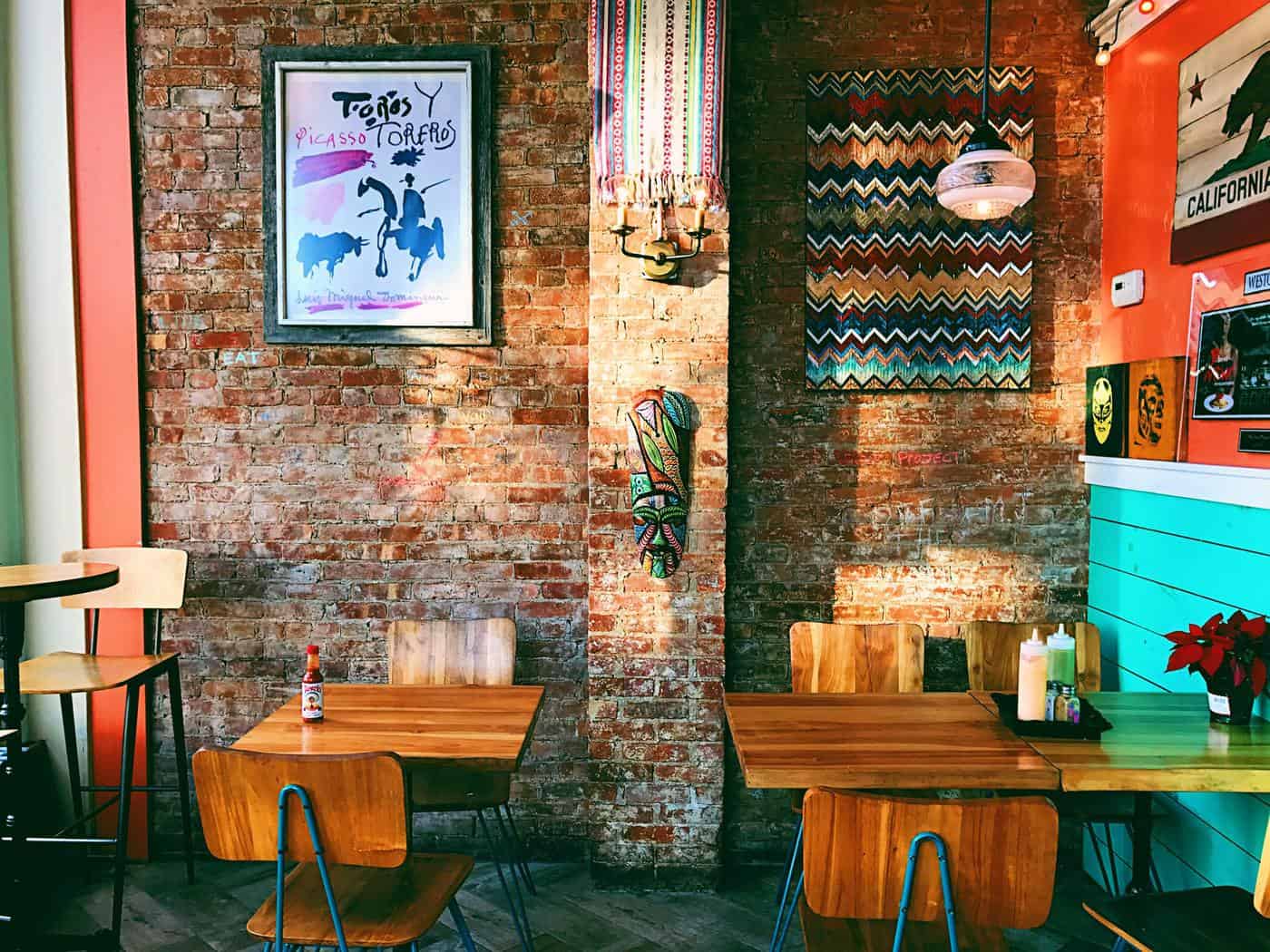
Social distancing in a restaurant will be difficult if not impossible. Even when restrictions are lifted, you may decide the extra measures required don’t give you an adequate return on your investment. One obvious measure is to clean and sanitize all contact areas between dining groups.
Here are a few other considerations for dining in when the time comes.
Space out guests
This may take some creativity and experimentation with the following ideas:
- Reconfigure your dining tables to allow adequate space between groups.
- Eat outside.
- Look into greenhouse dining like this restaurant in Amsterdam.
- Allow for drive-in dining in designated areas of your parking lot.
Screen guests
Upon arrival, you can have guests submit online self-declaration forms regarding their health or you can screen guests for fever via an infrared thermometer.
Use a contactless menu
Temporarily halt your use of physical menus in favor of a virtual or contactless menu. Think online ordering within the restaurant.
Adjust your marketing strategy
Within this new normal is an opportunity to develop a new and creative marketing campaign. The trick is to acknowledge the pandemic without being cliche and to showcase your restaurant’s value without being pushy.
Focus on hygiene messaging
Beaconstac’s Monika Adarsh believes that hygiene will soon trump food presentation and taste in online reviews.
Zomato, one of India’s major food tech platforms, recently reported that consumers are filtering restaurants with a hygiene rating on the app and those with the best hygiene ratings see a 20-25 percent increase in both visibility and orders. With food delivery, utilize QR codes to immediately take diners to a review-generating platform.
Highlight affordability
It’s no mystery that many of your guests are struggling financially. Show that you care and will reward customer loyalty by offering coupons, deals of the day, and other promotions via email, text, or social media.
Give back and give exposure
Donate food items that could go to waste or select a cause to which you can contribute a portion of your sales for a period of time. It’s a win-win: you show guests that their purchase will go to more than just their meal, and it increases awareness for your chosen organization.
Think outside the box
Consider coworking
 If you’re not opening your restaurant for dine-in, consider renting out your seating area as a coworking space for local businesses who need one.
If you need help exploring your options, you might consult DropDesk, a platform promoting this unique concept while implementing social distancing and cleaning protocols. DropDesk partners with restaurants during their closed or unused areas to convert them into part-time co-working spaces, creating recurring lines of revenue without interfering with restaurant operations.
Host a virtual happy hour
Mark Sorenson, CEO of Social High Rise, a restaurant-exclusive social media management company, has seen clients implement several ideas that generate revenue and strengthen customer relationships.
One of these, virtual happy hour, involves the restaurant posting a video of them mixing a drink and teaching their customers how to do the same at home. Restaurants that typically have live music have contacted their lineup of musicians and have them scheduled to perform songs live from their homes that they stream on social media because the music industry has been impacted as well. Listeners can send tips via Venmo. Sorenson explains, “This idea is really great for strengthening the relationship between musicians and restaurants and helps to support the musicians, too.”
Initiate remote parties
Sorenson explains one restaurant is offering a “party in a box” model where customers order some party supplies like favors and decorations, mixed drink supplies, and food.
Customers can host remote parties with family and friends who want to buy identical party kits that are delivered in time for virtual parties via Zoom. They can even reserve a private performance for a dancer or musician to play for their Zoom party.
Wrapping it up
Even if you’re the most adaptable business owner out there and up for a challenge, it’s no question that the restaurant industry has taken a hit. But remember that you’re not alone. Even e-commerce businesses are not immune to COVID-related economic difficulties. Only time will tell how everything shakes out over the coming months and years. But it’s my opinion that if restaurants can make the necessary pivots and hold on for just a wee bit longer, business can soon settle into a new normal.
After all, it’s a universal reality that people still need to eat. With some adjustments, it’s our hope that diners will return as they see that eating out or ordering takeaway can still be a safe and positive experience even amid difficult circumstances.
Rebecca Graham has a passion for research and writing and her insights on education, finance, and business services have been featured across the blogosphere. With a bachelor’s degree in English, she enjoys her career in content marketing and currently manages BestCompany.com’s business blog.