eCommerce SEO: How to Drive More Traffic to Your Online Store – Qeedle

Over 85% of online traffic begins with a simple search—are your eCommerce pages equipped to capture it? In today’s hyper-competitive digital marketplace, having a beautiful online store with amazing products simply isn’t enough. Your potential customers are out there searching for exactly what you sell, but if your website isn’t optimized for search engines, they’ll never find you. Instead, they’ll discover your competitors who have mastered the art of eCommerce SEO.

The good news? You don’t need a massive budget or a team of experts to dramatically improve your store’s visibility. What you need is a solid understanding of eCommerce SEO fundamentals and the commitment to implement proven strategies consistently. Whether you’re running a startup boutique or managing an established online retail empire, SEO remains one of the most cost-effective ways to drive qualified traffic, build brand authority, and increase conversions.

In this comprehensive guide, we’ll walk you through actionable eCommerce SEO strategies that will transform your online store into a traffic magnet. From optimizing your site structure to mastering keyword research and building quality backlinks, you’ll discover everything you need to outrank competitors and attract customers who are ready to buy. Here’s how eCommerce SEO can turn your store into a sustainable growth engine.

Why eCommerce SEO Matters

Before diving into tactics, let’s address the fundamental question: why should you invest time and resources into eCommerce SEO? The answer lies in understanding how modern consumers shop online.

The Power of Organic Traffic

Organic search accounts for approximately 53% of all website traffic across industries, making it the single largest traffic source for most eCommerce stores. Unlike paid advertising, which stops generating traffic the moment you stop paying, SEO creates sustainable, long-term visibility. When you rank on the first page of Google for relevant keywords, you’re essentially earning free, qualified traffic 24/7.

Think about it this way: every dollar you spend on SEO compounds over time. A well-optimized product page created today could continue driving sales for months or even years without additional investment. Compare this to pay-per-click advertising, where you’re constantly paying for each visitor, and the value proposition becomes crystal clear.

Understanding Consumer Search Behavior

The modern customer journey almost always begins with a search engine. Whether someone is looking for “waterproof hiking boots,” “organic baby clothes,” or “laptop under $500,” they’re turning to Google to research options, compare prices, and make informed purchase decisions. If your products don’t appear in these crucial moments, you’re essentially invisible to a massive segment of potential customers.

Research shows that 71% of consumers start their product research with a generic search rather than a branded one. This means they’re not yet committed to any particular retailer—they’re open to discovering new brands that meet their needs. This is your opportunity to capture their attention before they even know your competitors exist.

The ROI of SEO Investment

While SEO requires upfront effort and patience, the return on investment can be extraordinary. Higher search rankings lead to increased click-through rates, more qualified traffic, and ultimately more conversions. Unlike many marketing channels where you’re constantly chasing new customers, strong SEO positions your store as the destination people naturally discover when they need what you sell.

Optimize Your Site Structure

Your website’s architecture forms the foundation of your SEO success. A well-structured site helps both users and search engines navigate your content efficiently, leading to better rankings and improved user experience.

Clear Navigation and URL Hierarchy

Keep your navigation menu simple, intuitive, and logically organized. Users should be able to find any product within three clicks from your homepage. This principle doesn’t just improve user experience—it also helps search engines understand your site’s hierarchy and crawl your pages more effectively.

Your URL structure should mirror this clarity. Instead of cryptic URLs like www.qeedle.com/p=12345, use descriptive, SEO-friendly URLs such as www.qeedle.com/products/women/running-shoes/nike-air-zoom. These URLs tell both users and search engines exactly what the page contains before they even click.

Create Category and Product Silos

Organize your products into well-defined categories and subcategories that make logical sense. For example, an athletic apparel store might organize products like this: Athletic Apparel > Women’s > Running > Shoes. This siloed structure helps search engines understand the relationship between different pages and allows you to build topical authority within specific product categories.

Use internal linking strategically to connect related categories and products. When you link from a category page to relevant product pages, and vice versa, you’re passing SEO value throughout your site while helping customers discover more products they might be interested in.

Leverage Breadcrumb Trails

Breadcrumb navigation shows users exactly where they are within your site hierarchy (Home > Women’s Clothing > Dresses > Summer Dresses). This simple feature improves user experience by making navigation easier and boosts SEO by creating additional internal links and providing context to search engines. Google even displays breadcrumbs in search results, which can improve your click-through rates.

Keyword Research for eCommerce

Effective keyword research is the compass that guides your entire SEO strategy. Without understanding what your potential customers are searching for, you’re essentially optimizing in the dark.

Understand Your Audience’s Search Intent

Not all keywords are created equal. Short-tail keywords like “shoes” have massive search volume but are highly competitive and vague. Mid-tail keywords like “women’s running shoes” are more specific and often indicate stronger purchase intent. Long-tail keywords like “best running shoes for flat feet women” have lower search volume but typically convert better because they target users with very specific needs.

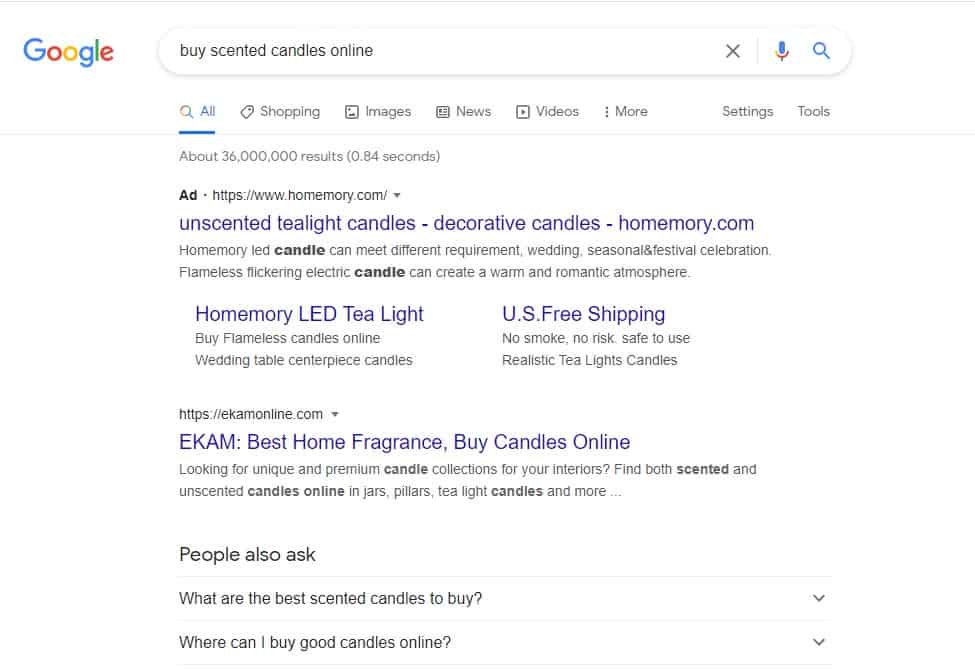
Focus heavily on transactional keywords—search terms that indicate the user is ready to buy. Phrases like “buy,” “cheap,” “best price,” “discount,” or “free shipping” often signal high purchase intent. For example, someone searching “buy organic coffee beans online” is much closer to making a purchase than someone searching “what is organic coffee.”

Use Professional Keyword Tools

Invest in quality keyword research tools to uncover opportunities your competitors might be missing. Google Keyword Planner provides basic keyword data and search volumes. Ahrefs and SEMrush offer more advanced features like competitor keyword analysis, keyword difficulty scores, and SERP feature tracking. Ubersuggest provides a budget-friendly option with solid data for small to medium-sized stores.

Don’t just look at search volume—pay attention to keyword difficulty and commercial intent. Sometimes a keyword with 500 monthly searches and low competition will drive more revenue than a keyword with 5,000 searches and intense competition.

Product-Specific Keywords

Every product page should target specific keywords that match what customers actually search for. Include brand names, model numbers, colors, sizes, and other product attributes that people might use in their searches. For instance, a product page might target “Samsung Galaxy S23 Ultra 512GB black unlocked” rather than just “smartphone.”

Include Local Keywords

If you have physical locations or serve specific geographic areas, incorporate local keywords into your strategy. Terms like “furniture store in Austin Texas” or “organic grocery delivery Los Angeles” can help you capture customers in your service area. Even if you ship nationally, local SEO can still be valuable for building initial traction and authority.

Content Creation for eCommerce SEO

Content is where your keyword research comes to life. High-quality, optimized content doesn’t just help you rank—it convinces visitors to become customers.

Write Compelling Product Descriptions

Never use manufacturer-provided product descriptions verbatim. Thousands of other retailers are using the exact same content, which creates duplicate content issues and makes it nearly impossible to rank. Instead, write original descriptions that incorporate your target keywords naturally while highlighting the benefits, features, and uses of each product.

Focus on answering customer questions within your descriptions. What problems does this product solve? Who is it perfect for? What makes it different from competitors? For example, instead of just listing specs for a backpack, explain how the ergonomic design reduces shoulder strain during long hikes, and how the waterproof material protects electronics during unexpected rain.

Build a Blog Alongside Your Store

A blog is one of the most powerful tools for driving organic traffic to your eCommerce store. Create content around topics related to your products that target informational keywords. For example, a running shoe store might publish posts like “How to Choose the Perfect Running Shoes for Your Foot Type” or “5 Signs It’s Time to Replace Your Running Shoes.”

These blog posts attract users in the research phase of their buying journey. While they may not convert immediately, you’re building awareness, establishing authority, and creating opportunities to guide them toward your products through strategic internal linking.

Create FAQ Pages

FAQ pages serve double duty by addressing common customer concerns while optimizing for long-tail keywords. Questions like “How do I know what size yoga mat to buy?” or “What’s the difference between memory foam and latex mattresses?” are actual searches people make. By answering these questions comprehensively, you capture traffic from users seeking specific information.

Use Multimedia Content

Product images, videos, and infographics don’t just improve engagement—they also contribute to SEO when optimized properly. Always include descriptive alt text for images using relevant keywords (e.g., “women’s red leather crossbody bag with gold hardware”). Product videos can dramatically increase time on page and conversion rates while reducing return rates by giving customers a better understanding of what they’re buying.

Technical SEO for eCommerce Websites

Technical SEO ensures that search engines can crawl, index, and understand your website efficiently. Even the best content won’t rank if technical issues are holding you back.

Speed Optimization

Page speed is a confirmed ranking factor and has a massive impact on conversion rates. Studies show that a one-second delay in page load time can reduce conversions by 7%. Aim for page load times under two seconds by compressing images, leveraging browser caching, minimizing HTTP requests, and using a content delivery network (CDN).

Use Google PageSpeed Insights to diagnose speed issues and receive specific recommendations for improvement. Pay special attention to mobile speed, as most eCommerce traffic now comes from mobile devices.

Mobile-Friendliness

With Google’s mobile-first indexing, your mobile site is now the primary version that search engines use for ranking. Ensure your store uses responsive design that adapts seamlessly to any screen size. Navigation should be easy with touch controls, buttons should be appropriately sized for fingers (not just mouse cursors), and checkout processes should be streamlined for mobile users.

Canonical Tags for Duplicate Content

eCommerce sites often have legitimate reasons for duplicate or similar content—product variations like different colors or sizes, filtered pages, and paginated category pages. Use canonical tags to tell search engines which version of a page should be considered the “master” version, preventing duplicate content penalties.

Indexability and Crawlability

Submit an XML sitemap to Google Search Console to help search engines discover all your important pages. Regularly check for and fix broken links using tools like Screaming Frog. Review your robots.txt file to ensure you’re not accidentally blocking important pages from being crawled. Use the “noindex” tag strategically on pages you don’t want to rank, like cart pages, checkout pages, and filtered search results.

Build High-Quality Backlinks

Backlinks remain one of the strongest ranking signals in Google’s algorithm. Quality links from authoritative websites signal to search engines that your store is trustworthy and valuable.

Partner with Influencers and Bloggers

Collaborate with influencers in your niche to promote your products. When they mention or review your products on their blogs or social media, request a link back to your store. Focus on micro-influencers with engaged audiences in your specific niche rather than mega-influencers with millions of followers but low engagement.

Guest Blogging

Write valuable guest posts for authoritative websites in your industry. For example, if you sell outdoor gear, you might write a comprehensive guide about “Essential Gear for Your First Backpacking Trip” for a popular hiking blog, with a natural link back to relevant products in your store. Focus on providing genuine value rather than just trying to get links.

Leverage PR Strategies

Announce product launches, company milestones, or interesting company news through press releases. Getting featured on authoritative news sites or industry publications can generate valuable backlinks and drive referral traffic. Consider creating newsworthy angles around your business, like charitable initiatives, sustainability efforts, or unique company stories.

Create Shareable Resources

Develop resources that other websites will naturally want to link to. This might include comprehensive buying guides, original research or surveys, industry reports, interactive tools, or detailed infographics. For example, a furniture store might create an ultimate guide to “Interior Design Styles Explained with Examples” that design blogs and home improvement sites would want to reference.

Track Your Performance and Continually Improve

SEO is not a set-it-and-forget-it strategy. Continuous monitoring and optimization are essential for long-term success.

Google Analytics and Search Console

Regularly review your organic traffic trends, bounce rates, conversion rates, and revenue from organic search in Google Analytics. Use Google Search Console to monitor which keywords are driving impressions and clicks, identify pages with declining performance, and discover crawl errors or other technical issues that need attention.

Evaluate Keyword Rankings

Track your keyword rankings over time using tools like Ahrefs, SEMrush, or Moz. Don’t panic over daily fluctuations, but pay attention to longer-term trends. If important keywords are declining, investigate why and adjust your strategy. If you notice emerging keywords starting to rank, consider creating more content around those topics to capitalize on the momentum.

A/B Testing

Experiment with different meta titles, meta descriptions, and page elements to improve click-through rates from search results. Test different product description formats, calls-to-action, and page layouts to optimize for conversions. Small improvements in conversion rate can have massive impacts on revenue when multiplied across thousands of visitors.

Stay Updated on SEO Changes

Search engine algorithms are constantly evolving. Follow reputable SEO blogs, attend webinars, and participate in industry forums to stay current with best practices. What works today might not work tomorrow, so committing to continuous learning is essential for maintaining your competitive edge.

Conclusion

From mastering keyword research to optimizing your site’s structure, eCommerce SEO is the ultimate way to attract, engage, and convert users who are actively searching for what you sell. While the strategies we’ve covered require effort and patience, they create compound returns that grow stronger over time. Unlike paid advertising that stops the moment your budget runs out, strong SEO positions your store for sustainable, long-term growth.

The beauty of eCommerce SEO is that you don’t need to implement everything at once. Start with the fundamentals—optimize your site structure, conduct thorough keyword research, and create compelling product descriptions. Then gradually layer in more advanced tactics like content marketing, technical optimization, and link building. Every improvement you make brings you one step closer to dominating your niche in search results.

Ready to transform your online store into a traffic-generating machine? Start implementing these strategies today and watch as your organic traffic, rankings, and sales climb to new heights. The sooner you begin, the sooner you’ll reap the rewards. Your future customers are searching right now—make sure they find you.

Leave a Reply