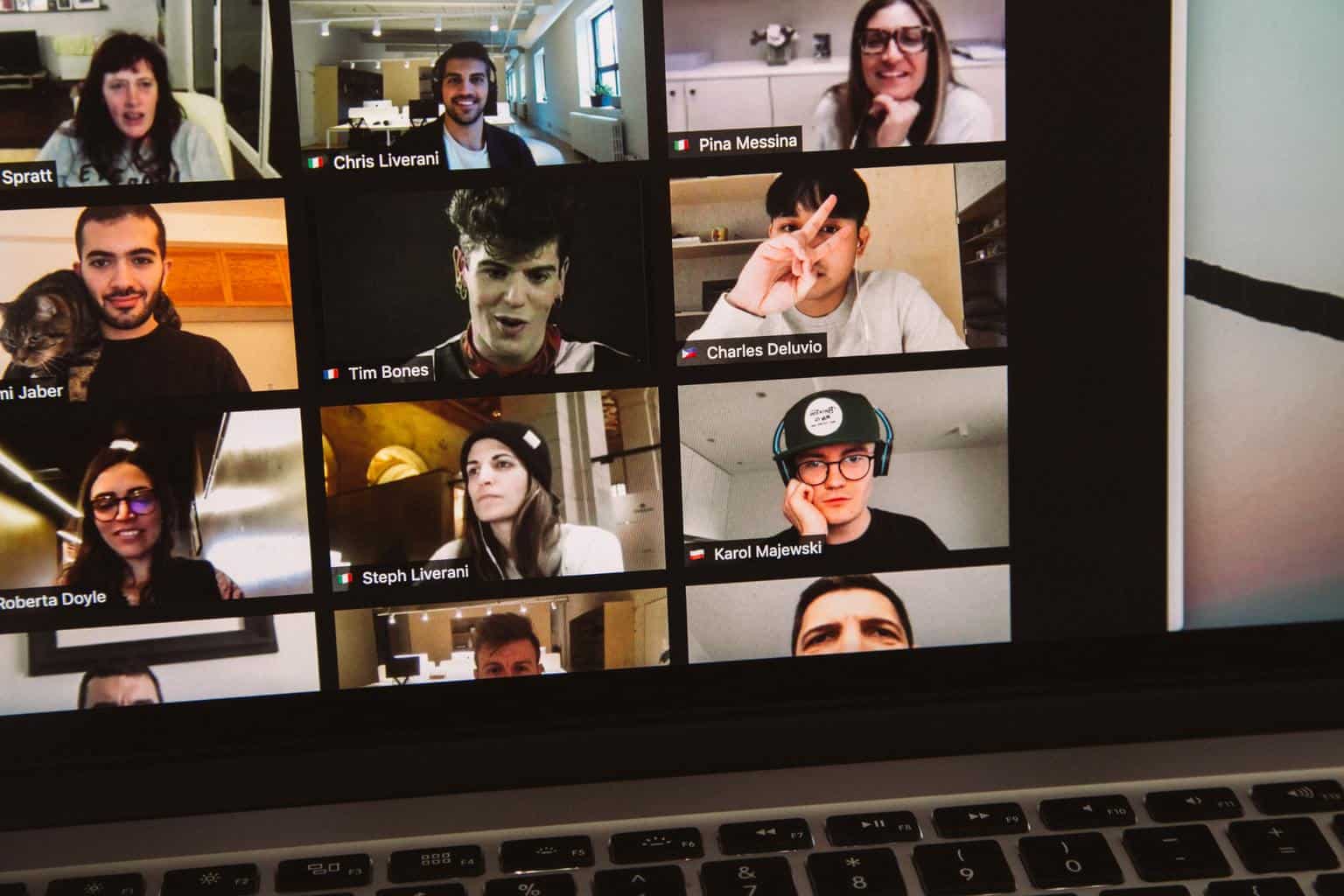
Over 300 million people use Zoom daily, and the demand for online presentations is skyrocketing. Yet, studies show that a significant portion of remote communications fail due to lack of engagement and clarity—don’t let that be you! In today’s digital-first workplace, mastering virtual presentation skills isn’t just a nice-to-have; it’s an essential professional competency that can make or break your career trajectory.
This year has brought unprecedented changes to how we communicate, collaborate, and connect. Whether you’re pitching to investors, training team members, delivering webinars, or leading client meetings, your ability to command attention through a screen has become more critical than ever. The virtual presentation landscape is crowded, competitive, and unforgiving to those who fail to adapt. But here’s the good news: with the right strategies and a commitment to improvement, anyone can transform their Zoom presence from forgettable to phenomenal.
In this comprehensive guide, we’ll dive into actionable tips to supercharge your Zoom presentation skills and make sure your virtual meetings leave a lasting impression. From optimizing your technical setup to mastering audience engagement techniques, you’ll discover everything you need to elevate your online communication game and stand out in the virtual crowd.
The Shift Toward Virtual Communication
Growth of Virtual Platforms
The explosion of virtual communication platforms has fundamentally transformed the professional landscape. Zoom alone has grown from hosting 10 million daily meeting participants to over 300 million, representing a 3,000% increase in just a few years. This meteoric rise isn’t limited to corporate boardrooms—virtual platforms have expanded into education, healthcare, social events, fitness classes, and even family gatherings.
Remote and hybrid work models have become the new standard across industries, from tech startups to Fortune 500 companies. Organizations worldwide have realized that virtual collaboration isn’t a temporary solution but a permanent feature of modern business operations. This shift means professionals at every level must develop competency in digital presentation skills to remain competitive and effective.
Why Presentation Skills Matter More Than Ever
In virtual settings, your presentation skills are under a microscope in ways they never were in traditional face-to-face meetings. Poor virtual presentations don’t just waste time—they damage your professional credibility, weaken your personal brand, and can cost opportunities. When you’re reduced to a small square on a screen, every aspect of your presentation becomes magnified: your voice clarity, visual appearance, content quality, and ability to engage.
The competition for attention in virtual environments is fierce. Participants are just one click away from checking email, browsing social media, or mentally checking out. Research shows that attention spans during virtual meetings are significantly shorter than in-person gatherings, with engagement dropping dramatically after just 10-15 minutes. This reality demands that presenters develop sharper skills, more compelling content, and innovative engagement strategies to maintain audience interest.
Preparing Like a Pro
Optimize Your Setup
Your technical setup is the foundation of effective virtual presentations. Investing in quality equipment isn’t vanity—it’s a professional necessity that directly impacts how your message is received. Start with a high-definition webcam that delivers crisp, clear video. While laptop cameras have improved, an external HD camera positioned at eye level creates a more professional and engaging visual presence.
Audio quality matters even more than video. Nothing undermines a presentation faster than crackling sound, echo, or muffled speech. A dedicated USB microphone or quality headset with noise-canceling features ensures your voice comes through clearly and professionally. Consider options like the Blue Yeti, Audio-Technica ATR2100, or even quality wireless earbuds with excellent microphone capabilities.
Lighting transforms your on-screen appearance dramatically. Position yourself facing a natural light source or invest in a ring light or LED panel to illuminate your face evenly. Avoid backlighting from windows behind you, which creates a silhouette effect. Your background should be clean, professional, and distraction-free—whether that’s a tidy bookshelf, a plain wall, or a well-designed virtual background that reflects your professional brand.
Master Pre-Presentation Practices
Technical preparation separates amateur presenters from polished professionals. Always test your technology at least 15-30 minutes before any presentation. Check your audio levels, video quality, screen-sharing functionality, and any interactive features you plan to use. This buffer allows time to troubleshoot issues without the pressure of a waiting audience.
Create a detailed agenda and rehearse your key points multiple times. Practice doesn’t just improve your delivery—it builds confidence and helps you internalize your content so you can focus on engaging with participants rather than reading from notes. Time your presentation to ensure you’re respecting your audience’s schedule while leaving room for interaction and questions.
Internet stability is non-negotiable. Use a wired Ethernet connection whenever possible, as it’s far more reliable than WiFi. Close unnecessary applications that consume bandwidth, and inform household members about your presentation schedule to minimize network disruptions. Have a backup plan, such as a mobile hotspot or the ability to dial in by phone if your primary connection fails.
Captivating Your Audience
Craft Engaging Content
Visual design can make or break your virtual presentation. Use slides strategically to reinforce your message with compelling images, charts, and infographics. Follow the 6×6 rule: no more than six bullet points per slide and six words per bullet point. Better yet, replace text-heavy slides with powerful visuals that tell your story more effectively than words alone.
High-quality graphics, relevant photographs, and well-designed charts help maintain attention and improve information retention. Tools like Canva, PowerPoint Designer, or Adobe Spark can help you create professional-looking slides even without graphic design expertise. Remember that your slides should support your presentation, not replace your spoken content—avoid reading directly from them.
Include Storytelling and Personalization
Stories create emotional connections that data alone cannot achieve. Incorporate relatable anecdotes, case studies, and examples tailored to your specific audience. When presenting to a sales team, share customer success stories. When addressing executives, use business impact narratives. Personal stories about challenges you’ve overcome or lessons learned make your content memorable and humanize you as a presenter.
Interactive elements transform passive viewers into active participants. Use Zoom polls to gather real-time opinions, pose questions that encourage chat responses, or create breakout room discussions for smaller group interactions. These engagement techniques break up your presentation rhythm, re-energize attention, and provide valuable insights about your audience’s perspectives and needs.
Adjust Your Tone and Body Language
Eye contact in virtual settings means looking at your camera, not your screen. This simple adjustment creates the impression of direct connection with your audience. Place your camera at eye level and position your notes or slides near the camera so your eyes naturally stay in the right zone.
Your energy and enthusiasm must work harder through a screen. Increase your expressiveness by about 20%—use broader gestures, vary your vocal tone more dynamically, and maintain an energetic posture. Smile frequently, as warmth translates powerfully even through digital mediums. Stand while presenting if possible, as it naturally increases your energy levels and improves your vocal projection.
Leveraging Zoom Features
Explore Interactive Tools
Zoom offers powerful features that many presenters underutilize. Virtual backgrounds can reinforce your professional brand or add visual interest, but use them judiciously—ensure they don’t create distracting artifacts or look unprofessional. Custom backgrounds featuring your company logo, relevant imagery, or clean professional designs can enhance rather than detract from your message.
Screen sharing allows you to demonstrate software, walk through documents, or show multimedia content. Master the annotation tools that let you highlight, draw, or emphasize specific elements on shared screens. Breakout rooms enable small group discussions or activities, particularly valuable for workshops, training sessions, or collaborative problem-solving scenarios. The whiteboard feature facilitates brainstorming and visual collaboration in real-time.
Record and Refine Your Presentations
Recording your presentations serves multiple purposes. First, it provides valuable content you can share with participants for review or with those who couldn’t attend. Second, it creates a personal library of material you can analyze to identify improvement opportunities. Watch your recordings with a critical eye—notice verbal tics, pacing issues, or moments when engagement might have flagged.
Reviewing recordings also helps you develop self-awareness about your on-screen presence. Do you look engaged and energetic, or tired and distracted? Is your audio clear throughout? Are your transitions smooth? This objective feedback loop accelerates your improvement more effectively than any external critique.
Avoiding Common Mistakes
Technology Failures
Even with perfect preparation, technology occasionally fails. Know how to troubleshoot common issues quickly: poor audio often stems from incorrect microphone selection in Zoom settings, low bandwidth problems can be mitigated by turning off video temporarily, and screen sharing issues usually resolve by exiting and re-sharing.
Always have backup plans ready. Share critical slides or documents via email before the presentation begins, so participants have access even if screen sharing fails. Keep a phone number handy to dial into the meeting if your computer connection drops. Prepare a condensed verbal version of your presentation in case you lose access to your visual materials entirely.
Lack of Interaction
Monologuing is the death of virtual engagement. Transform one-way presentations into two-way conversations by incorporating periodic engagement checks. Ask questions every 5-7 minutes, even simple ones like “Does this resonate with your experience?” or “What questions are coming up for you?” These micro-interactions prevent passive consumption and keep minds actively engaged.
Avoid the trap of reading directly from slides or delivering your content in a monotonous tone. Vary your pacing, use strategic pauses for emphasis, and modulate your voice to reflect the emotional content of your message. Your vocal variety acts as a musical score that guides your audience’s attention and emotional response.
Measuring and Improving Presentation Success
Get Feedback
Continuous improvement requires honest feedback. Distribute post-meeting surveys asking specific questions about content clarity, engagement level, pacing, and technical quality. Keep surveys brief—3-5 targeted questions yield better response rates than lengthy questionnaires. Ask both quantitative ratings and qualitative comments to get actionable insights.
Encourage honest critiques from trusted colleagues who attend your presentations. Specific feedback like “You spoke too quickly during the financial section” or “The transition between topics felt abrupt” provides concrete improvement targets. Create a safe environment for candid feedback by demonstrating your genuine commitment to growth and thanking people for their constructive criticism.
Continue Learning
Virtual presentation skills evolve constantly as platforms update features and audience expectations shift. Stay current with Zoom’s newest capabilities by reviewing their updates regularly and experimenting with new features. Follow thought leaders in virtual communication, watch TED Talks for presentation inspiration, and study skilled presenters across various fields.
Consider enrolling in virtual presentation workshops, online courses, or working with a presentation coach. Organizations like Toastmasters have adapted their programs for virtual environments, providing structured opportunities to practice and receive feedback. Platforms like LinkedIn Learning, Udemy, and Coursera offer targeted courses on specific aspects of virtual presentation mastery.
Transform Your Virtual Presence Today
Better Zoom presentation skills aren’t just about looking good on camera—they’re about communicating ideas effectively, building professional credibility, and creating meaningful connections in an increasingly digital world. The strategies we’ve explored—from optimizing your technical setup to mastering engagement techniques and leveraging platform features—provide a comprehensive roadmap for excellence in virtual presentations.
Remember that improvement is a journey, not a destination. Every presentation offers opportunities to refine your skills, experiment with new approaches, and deepen your understanding of what resonates with your audiences. Start implementing these strategies incrementally rather than attempting to perfect everything at once. Choose one or two areas to focus on for your next presentation, master those, then expand to additional techniques.
Your virtual presence is now as important as your in-person presence—perhaps even more so, given how much professional interaction happens through screens. The time and effort you invest in developing these skills will pay dividends throughout your career, opening doors to opportunities, strengthening relationships, and amplifying your impact. Don’t wait for the perfect moment to begin improving your Zoom presentation skills. That moment is now.
What’s one Zoom presentation skill you’re committed to improving this month? Share your thoughts and experiences in the comments below, and let’s learn from each other’s journeys toward virtual presentation excellence. For more insights on mastering remote work and digital communication, explore our other resources on building professional presence in virtual environments.