Did you know that 86% of professionals prefer email for business communication? Despite the rise of social media, instant messaging, and countless other digital channels, email remains the gold standard for B2B outreach. Yet here’s the challenge that keeps sales teams and marketers up at night: finding the right email addresses to actually reach your ideal prospects. You can craft the perfect pitch, design beautiful email templates, and develop an amazing product, but none of it matters if you can’t get your message into the right inbox.
The good news? You don’t need to be a digital detective or spend hours hunting down contact information. There are proven, ethical strategies that can help you find your prospects’ email addresses quickly and efficiently. Whether you’re reaching out to potential clients, seeking partnership opportunities, or building your professional network, having the right tools and techniques at your disposal makes all the difference. In this comprehensive guide, we’ll explore eight powerful methods to uncover prospect email addresses and connect with the people who matter most to your business growth.
From leveraging public resources to using sophisticated email lookup tools, these strategies will transform your outreach efforts and help you build meaningful connections with decision-makers in your target market. Let’s dive into these proven techniques that successful sales professionals and marketers use every day.
1. Leverage Company Websites and About Pages
Your prospect’s company website is often an untapped goldmine of contact information. Many organizations publicly list employee details on their websites, especially for team members in sales, marketing, or leadership positions. This method is completely free, ethical, and often overlooked by those who jump straight to paid tools.
Start by navigating to the company’s “Contact Us,” “Team,” or “About Us” pages. These sections frequently contain email addresses, phone numbers, and even direct contact forms for specific departments. Don’t forget to check their press or media pages, where companies often list public relations contacts. Look for company directories, organizational charts, or staff listings that might include email information.
Here’s a pro tip: view the page source code (right-click and select “View Page Source” in most browsers) and search for “mailto:” tags. These HTML elements often reveal email addresses that might not be immediately visible on the rendered page. Additionally, downloadable resources like PDFs, annual reports, white papers, or case studies sometimes contain author contact information or email signatures that can be valuable for your outreach efforts.
2. Utilize Professional Networking Platforms Like LinkedIn
LinkedIn has become the world’s largest professional database, housing over 900 million members across the globe. This makes it an invaluable resource for finding and connecting with prospects. The platform offers multiple pathways to discover email addresses, both directly and indirectly.
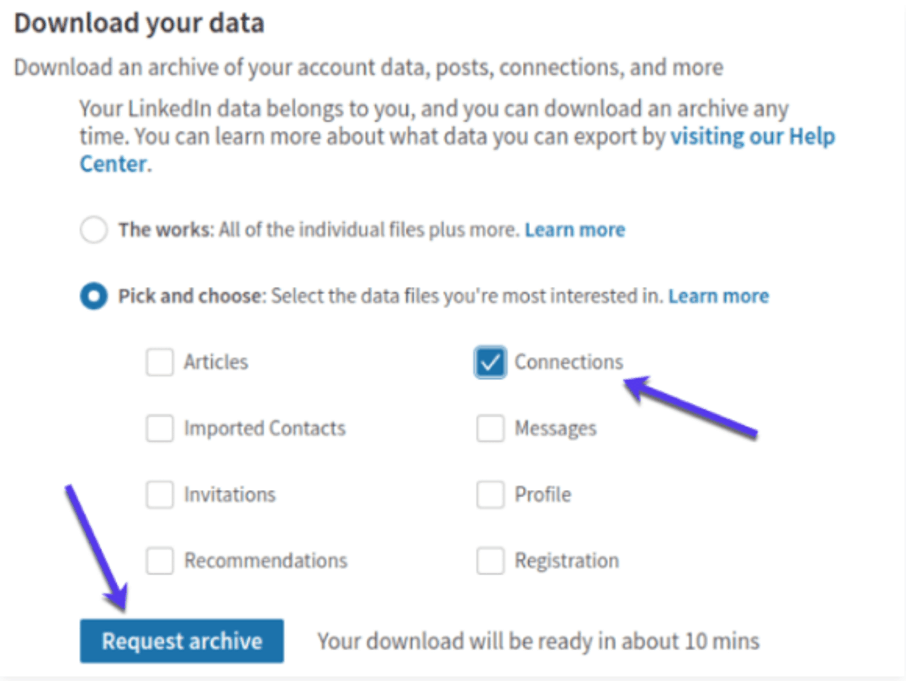
Begin by searching for your prospect using LinkedIn’s search function. Apply filters for company name, job title, location, and industry to narrow down your results. Once you’ve found the right person, click on their profile and look for the “Contact Info” section. Many professionals choose to display their email addresses publicly, especially if they’re open to business opportunities.
If the email isn’t publicly listed, consider sending a personalized LinkedIn message introducing yourself and your reason for connecting. Keep it brief, professional, and value-focused. Mention any mutual connections, shared interests, or specific reasons why you’d like to connect. Many professionals are willing to share their email addresses when approached respectfully.
For serious prospecting efforts, LinkedIn Sales Navigator offers advanced search capabilities, lead recommendations, and enhanced contact information. While it requires a paid subscription, the investment often pays for itself through improved outreach effectiveness and higher-quality leads. The platform provides insights into job changes, company news, and engagement signals that can help you time your outreach perfectly.
3. Master Google Search Techniques
Google isn’t just a search engine—it’s a powerful prospecting tool when you know how to use it effectively. Advanced search operators can help you pinpoint email addresses that are publicly available across the web, from blog comments to forum posts to published articles.
Try these proven search operator combinations: “[First Name] [Last Name] [Company Name] email,” or “[Name] [@company-domain.com].” For example, searching “John Smith Acme Corp email” or “Jane Doe @acmecorp.com” can surface results where that person’s email address has been publicly shared. You can also search for “[Name] [Company] contact” or add file type operators like “filetype:pdf [Name] [Company]” to find documents that might contain email signatures.
Professional presentations, conference materials, research papers, and speaking engagement announcements often include author contact information. Check industry blogs, guest post author bios, webinar registration pages, and podcast show notes where your prospect might have been featured. Many professionals leave their email addresses in these public-facing materials.
To streamline this process, consider using specialized tools like Hunter.io, Voila Norbert, or FindThatEmail. These platforms automate Google searches and cross-reference multiple databases to find and verify email addresses. Hunter.io, for instance, allows you to search by domain name and see common email patterns used by that organization, along with confidence scores for each discovered address.
4. Employ Email Permutator Tools
Most companies follow standardized email formatting conventions, which creates a predictable pattern you can exploit. Common formats include firstname.lastname@company.com, firstinitiallastname@company.com, or firstname@company.com. Email permutator tools help you generate all possible combinations based on your prospect’s name and company domain.
Tools like Email Permutator+, FindThat.Email, or Mailflow work by taking the prospect’s first name, last name, and company domain to create a comprehensive list of potential email addresses. For example, if you’re trying to reach Sarah Johnson at TechCorp.com, the tool would generate variations like sarah.johnson@techcorp.com, sjohnson@techcorp.com, sarah@techcorp.com, johnson.sarah@techcorp.com, and more.
The critical next step is verification. Generating email addresses is only half the battle—you need to ensure they’re valid before sending your outreach. This is where email verification tools become essential. Platforms like NeverBounce, ZeroBounce, or EmailListVerify can check whether an email address exists without actually sending a message. This protects your sender reputation and prevents bounces that could damage your email deliverability.
Some advanced permutator tools include built-in verification, saving you a step in the process. Remember to respect anti-spam laws and only use verified addresses for legitimate business purposes. Your reputation as a sender depends on maintaining high-quality contact lists and following ethical outreach practices.
5. Explore Business Databases and CRM Platforms
Specialized business intelligence platforms have invested millions in building comprehensive databases of professional contact information. These tools aggregate data from multiple sources, verify accuracy, and provide enriched profiles that go beyond just email addresses.
ZoomInfo stands as one of the most comprehensive B2B contact databases, offering detailed company information, org charts, direct dial phone numbers, and verified email addresses. The platform uses both human researchers and AI to maintain data accuracy, making it a reliable choice for enterprise sales teams.
Apollo.io combines a vast contact database with sales engagement features, allowing you to find emails and manage your outreach campaigns in one platform. It offers a generous free tier that includes limited searches and exports, making it accessible for small businesses and solo entrepreneurs. The platform provides technographic data, company insights, and buying signals that help you prioritize your prospects.
Clearbit Connect operates as a Gmail extension that reveals contact information for people who email you and helps you find new contacts at companies you’re targeting. It integrates seamlessly with popular CRM systems, automatically enriching your existing contacts with additional data like job titles, company size, and social profiles.
Other notable platforms include LeadIQ, Lusha, Kaspr, and RocketReach. Each offers unique features and data sources, so consider trying several to see which best serves your specific industry and target market. Many of these platforms offer free trials or freemium models, allowing you to test their effectiveness before committing to a subscription.
6. Tap Into Social Media Platforms
Beyond LinkedIn, other social media channels can be valuable sources for finding prospect contact information. Many professionals maintain active presences on Twitter, Instagram, Facebook, or industry-specific platforms where they share insights, engage with their audience, and occasionally post contact details.
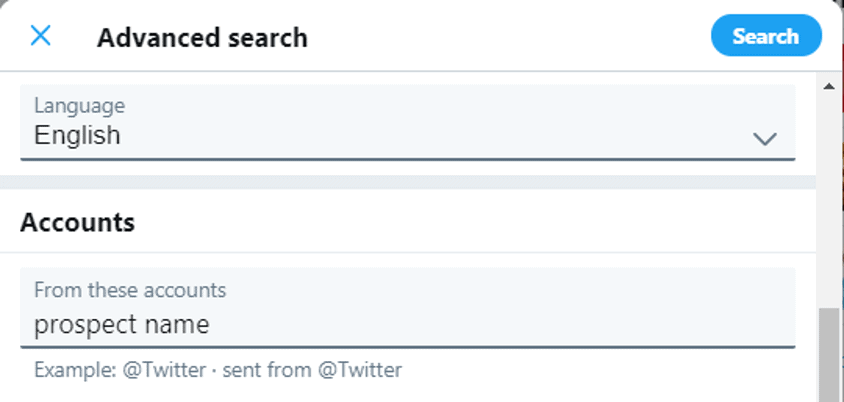
On Twitter, check profile bios where many users include their email addresses or links to contact pages. Search for tweets where your prospect might have shared their contact information, participated in Twitter chats, or promoted content with contact details. Instagram bios often include business email addresses, especially for influencers, entrepreneurs, and small business owners who welcome partnership inquiries.
Facebook business pages typically list contact information, and many professionals maintain personal profiles where they might share professional details. Industry-specific platforms like GitHub (for developers), Behance (for designers), or Medium (for writers) often include author contact information or links to personal websites with email addresses.
If you can’t find publicly listed contact information, consider sending a direct message. Craft a personalized, respectful message that clearly explains who you are and why you’d like to connect. Reference specific content they’ve shared, compliment their work, or mention mutual interests to establish rapport. Keep your message concise and respect their time—people are more likely to respond to messages that demonstrate genuine interest rather than generic sales pitches.
The key to successful social media outreach is personalization and patience. Don’t blast the same message across multiple platforms. Instead, engage authentically with their content, add value to conversations they’re having, and build a relationship before making your ask.
7. Use WhoIs Lookup for Domain Owners
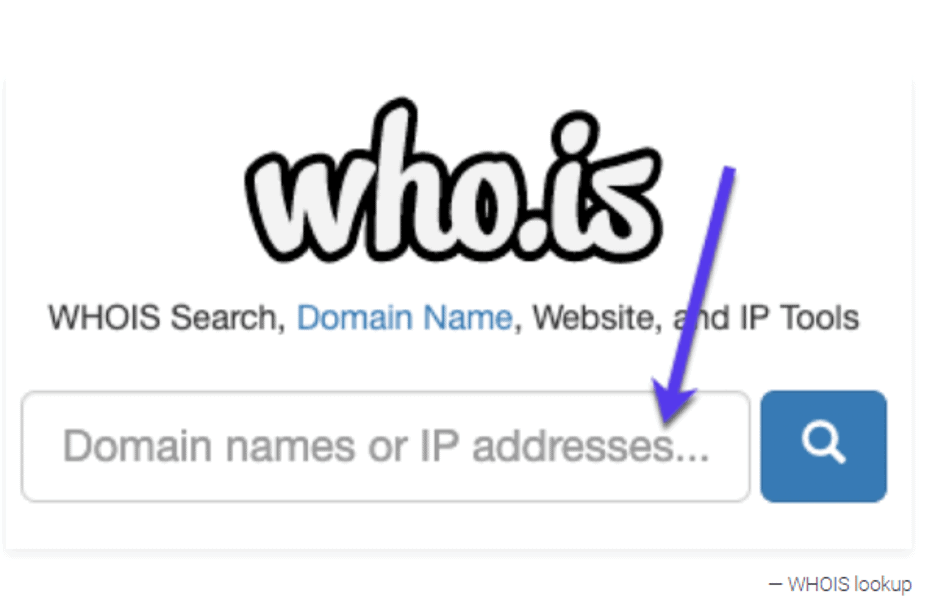
If your prospect is a business owner, entrepreneur, or decision-maker at a smaller company, WhoIs lookup services can reveal the contact information associated with their domain registration. Every domain name must have registered contact details, which historically have been publicly accessible through WhoIs databases.
Services like WhoIs.net, Namecheap WhoIs, or DomainTools allow you to enter a domain name and view registration details including the registrant’s name, organization, email address, and phone number. This information is particularly useful when trying to reach website owners, bloggers, or small business operators who might be decision-makers at their companies.
However, be aware of important limitations and privacy considerations. Many domain registrants now use privacy protection services (like WhoisGuard or Domain Privacy) that mask personal information, displaying the privacy service’s contact details instead of the actual owner’s. Additionally, regulations like GDPR have led to more restricted access to WhoIs data, particularly for domains registered in European jurisdictions.
When you do find contact information through WhoIs lookup, use it responsibly and ethically. Ensure your outreach complies with anti-spam regulations like CAN-SPAM, GDPR, and CASL. Make it clear how you obtained their information, provide genuine value in your message, and always include an easy way to opt out of future communications. Respecting privacy and following legal guidelines isn’t just about compliance—it’s about building trust and maintaining your professional reputation.
8. Strategic Cold Outreach and Partnership Requests
Sometimes the most straightforward approach is simply asking. When all other methods fail or when you want to ensure you’re reaching the right person, consider reaching out through general company channels with a professional request for the appropriate contact.
Most companies have general email addresses like info@company.com, sales@company.com, or contact@company.com. While these inboxes are often monitored by administrative staff or automated systems, a well-crafted message can get forwarded to the right person. Your email should be concise, professional, and clearly state your purpose. Explain who you are, why you’re reaching out, and specifically request to be connected with the appropriate team member.
For example: “Hello, I’m researching marketing automation solutions and would appreciate being connected with your team member who handles enterprise partnerships. Could you please forward this to the appropriate person or provide their direct contact information?”
Phone calls to company reception can also be effective. Receptionists often have access to employee directories and can transfer you directly or provide email addresses. Be courteous, professional, and clear about your intentions. Building rapport with administrative staff can open doors—these gatekeepers have more influence than many people realize.
Another powerful strategy is seeking warm introductions through mutual connections. Check your LinkedIn network for second-degree connections to your prospect and politely request an introduction from your mutual contact. Warm introductions have significantly higher response rates than cold outreach because they come with implicit social proof and trust.
You can also engage with your prospect’s content before making direct contact. Comment thoughtfully on their blog posts, share their LinkedIn articles with insightful commentary, or engage with their social media content. This warms up the relationship and makes you a familiar name when you do reach out directly, increasing the likelihood of a positive response.
Making Your Outreach Count
Finding email addresses is only the beginning—the real success comes from what you do with those contacts. Once you’ve gathered your prospect emails, ensure your outreach is personalized, valuable, and respectful. Generic mass emails have dismal response rates and can damage your reputation. Instead, take time to research each prospect, understand their challenges, and craft messages that offer genuine value.
Segment your prospects based on industry, company size, pain points, or other relevant criteria, and tailor your messaging accordingly. Use A/B testing to refine your subject lines, email copy, and calls-to-action. Track your open rates, response rates, and conversion metrics to continuously improve your approach.
Always comply with email marketing regulations in your jurisdiction. Include your physical business address, provide clear unsubscribe options, honor opt-out requests immediately, and never purchase email lists from dubious sources. Building a quality contact list takes time, but it’s far more valuable than a large list of uninterested or non-compliant contacts.
Remember that relationship-building is a marathon, not a sprint. Not everyone will respond to your first email, and that’s okay. Develop a thoughtful follow-up sequence that adds value with each touchpoint rather than simply asking for the same thing repeatedly. Share relevant content, offer insights, or provide resources that help your prospects succeed, even if they never become customers. This generous approach builds your reputation and often leads to unexpected opportunities.
Moving Forward with Confidence
You now have eight powerful strategies for finding your prospects’ email addresses and initiating meaningful connections. From mining company websites and leveraging LinkedIn to using sophisticated email lookup tools and strategic cold outreach, these methods provide a comprehensive toolkit for any sales professional, marketer, or entrepreneur.
The key is experimentation. Different industries, company sizes, and prospect types respond better to different approaches. Start by trying several methods to see which yields the best results for your specific situation. Track your success rates, refine your processes, and don’t be afraid to combine multiple strategies for maximum effectiveness.
Remember that technology and tools are enablers, but authentic human connection drives results. Use these email discovery methods responsibly and ethically. Focus on building genuine relationships rather than simply collecting contacts. When you approach prospects with respect, offer real value, and communicate authentically, you’ll find that doors open and opportunities multiply.
What’s your favorite method for finding prospect email addresses? Have you discovered any tools or techniques that work particularly well in your industry? Share your experiences and insights in the comments below—your fellow readers would love to learn from your successes and challenges. And if you found this guide helpful, bookmark it for future reference and share it with your team members who might benefit from these proven prospecting strategies.
Now it’s time to put these techniques into action. Choose one or two methods that resonate with you, set aside time this week to test them out, and watch as your prospect list grows with high-quality contacts who are genuinely worth reaching. Happy prospecting!